Figure learning hub
Zengzi
What does Zengzi actually examine each day? Start with three questions, then follow him into harder cases of ritual conduct.
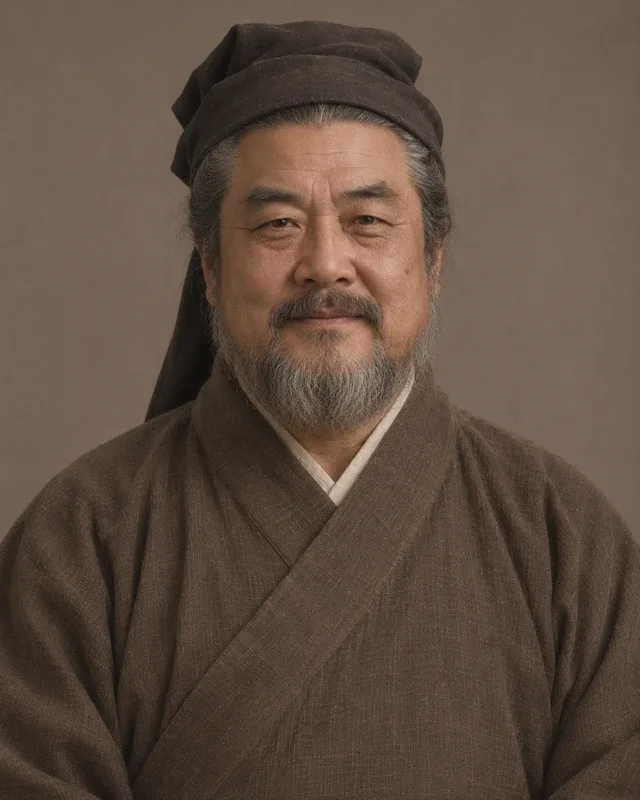
From Nanwucheng to Confucius’s circle
Three things to examine
The Records of the Grand Historian gives Zeng Shen a short biography: where he came from, whom he studied with, and where he died. His voice comes through more clearly in the Analects.[1] The first question concerns work undertaken for someone else. Did he give it his full effort? The next asks whether friends can trust him. The final question pairs received instruction with xi, commonly read as going over what has been learned. The three checks concern effort in an entrusted task, trust between friends, and going back over what one was taught.[2]
A birth in the middle of mourning
The Questions of Zengzi begins with a hard case. A ruler is dead and his heir has just been born. Mourning is underway, and the child’s place in the succession needs to be acknowledged. Confucius describes the ritual officer mounting the steps, calling for a pause in the weeping, and announcing the birth to the deceased ruler. Here Zengzi’s repeated “What should be done?” is about who acts first and what each person owes to the others.[3]
Why two classics are associated with Zengzi
The Classic of Filial Piety opens with Confucius asking Zengzi about the highest virtue and the essential way. Zengzi rises from his mat to ask for instruction. The Records of the Grand Historian associates that classic with him. Centuries later, Zhu Xi invoked Zengzi and his students to explain the relationship between the classic text and commentaries of the Great Learning. These traditions tell us how later readers placed Zengzi within the Confucian school. The formation of each received text remains a separate question.[1][4]
Selected readings
Read together
Read with Zisi
Mencius describes different choices in different circumstances, then calls the two men followers of the same way.
Sources and editorial notes
- Records of the Grand Historian, vol. 67
The biography records his name, origins, and place among Confucius’s disciples. The notice on Zeng Shen in vol. 67, lines 330–332, mentions the writing of the Classic of Filial Piety just after Confucius giving instruction. It preserves a traditional association without settling who compiled the received text.
- Analects: The three daily questions
The final question uses xi. The text here takes it in the common sense of going back over what was taught.
- Record of Rites: Opening of the Questions of Zengzi
The opening gives the case of an heir born during mourning, and describes the officer mounting the steps, halting the weeping, and announcing the birth.
- Zhu Xi’s note after the classic text of the Great Learning
The note after the classic text says that Zengzi transmitted the words and that his students recorded his thought in the commentary. This is Zhu Xi’s account.