Figure learning hub
Zhu Xi
Compare the Great Learning in the Record of Rites with Zhu Xi’s edition to see how commentary can change the order in which a classic is read.
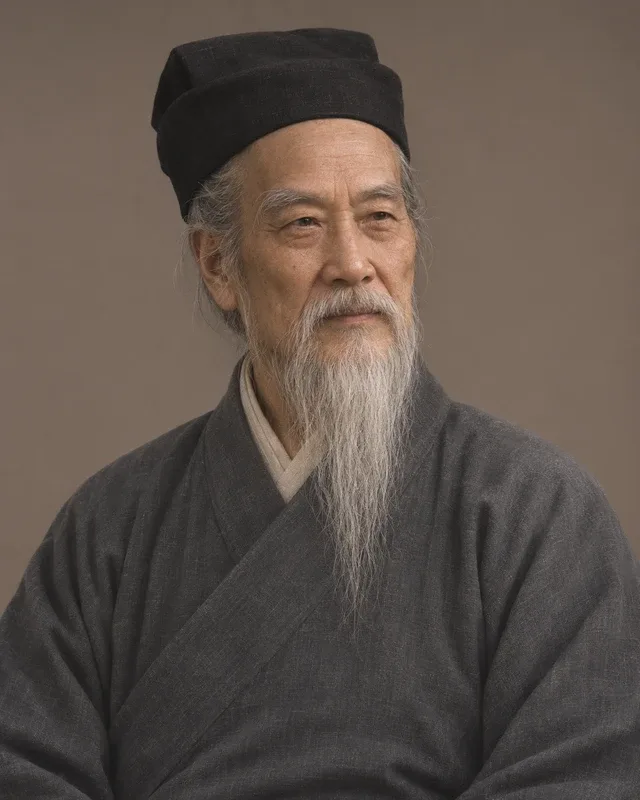
From Youxi to a life of teaching
From Youxi to the examinations
Zhu Xi was born in Youxi, Fujian, in 1130 and earned the jinshi degree in 1148. He went into government service, but that occupied a limited part of the decades that followed. Much of his time went to teaching and writing. The Collected Commentaries on the Four Books gives a sense of the passages and questions to which he kept returning.[1]
Reading the two editions side by side
The Great Learning can be read as one continuous chapter in the Record of Rites. Zhu Xi’s edition presents one chapter of classic text followed by ten commentary chapters. Both begin by urging the reader to bring bright virtue to light. The passage on making one’s intentions sincere is a good place to see how a change in position changes the argument around it.[2]
Where the supplementary passage comes from
The fifth commentary chapter preserves lines about knowing the root and about knowledge reaching its fullest extent. Zhu Xi believed that the explanation of investigating things and extending knowledge was missing, so he supplied one. His passage describes gradually working out the principles at stake in particular things. The page notes identify where the older text ends and Zhu Xi’s account begins.[2]
From arranging chapters to collecting commentaries
The Doctrine of the Mean moves from what Heaven confers to the work of daily conduct. The Great Learning often makes its point by putting things in order. Together the texts show what chapter arrangement can do. Zhu Xi took a different approach to the Analects and Mencius, where he collected and assessed earlier interpretations. In the Great Learning, the place of a paragraph matters. In the Analects, a short expression can be enough to bring several interpretations into view.[1]
Selected readings
Read together
Read with Zisi
Zisi’s profile begins from the received attribution. Zhu Xi’s leads to the later arrangement and commentary.
Sources and editorial notes
- NTU Press: Collected Commentaries on the Four Books
The publisher lists his dates, birthplace, names, and the distinct forms of his commentaries.
- Great Learning: Note on the supplementary passage
The supplementary passage is Zhu Xi’s Song-period commentary. Its arrangement and textual status differ from the received Record of Rites chapter.