Figure learning hub
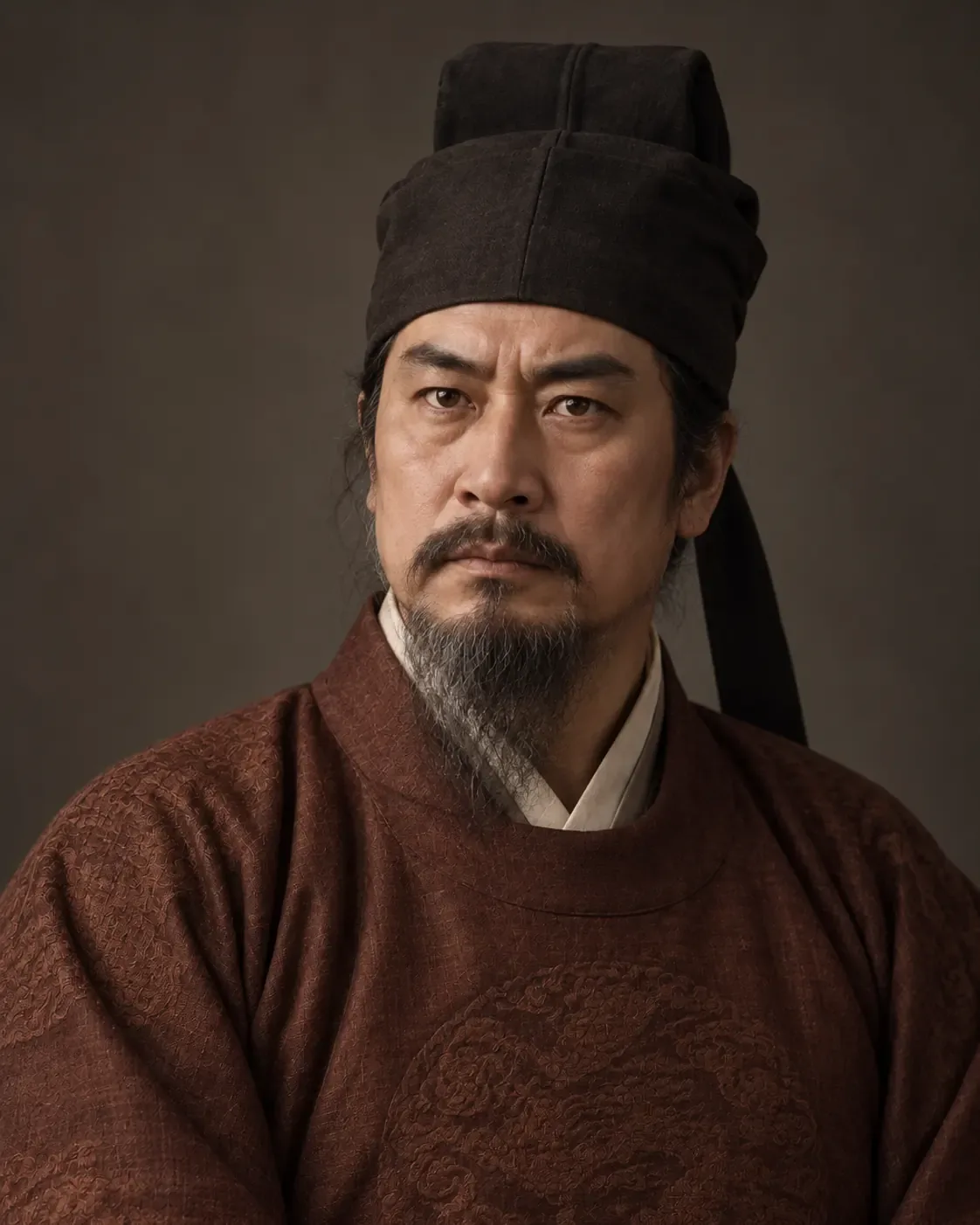
Han Yu
Meet Han Yu through narrative poems as well as his arguments about learning and prose.
韩愈 · Han Tuizhi
Begin with a night at a mountain temple
Mountain Stones follows a traveler along a difficult path, into a temple at dusk, through the night, and out again in morning light. The scenery is not a motionless painting. It arrives as the walker moves, and the poem’s pace makes the reader move with him. Remembering Han Yu only as a reformer of prose would hide this lively narrative craft.
Han Yu, courtesy name Tuizhi, was a middle-Tang writer and official. The Old Book of Tang records his early devotion to study, various offices, and his demotion to Chaozhou after protesting the reception of a Buddhist relic. His later place among the “Eight Masters” is important reception history, but the label cannot stand in for reading his particular works.
A carved text and a friend
Song of the Stone Drums praises ancient inscriptions while worrying about their preservation and neglect. Han Yu’s account of their origin belongs to his own historical understanding; their exact date is still debated. The poem is therefore an argument about what a culture chooses to remember, not a modern archaeological report.
Written for Zhang Gongcao on the Fifteenth Night of the Eighth Month mixes festival night, friendship, and the troubles of official life. It also contains reported speech and shifting voices. We should not assign every narrated hardship in it to Han Yu personally. Together these long poems show a poet who can carry travel, dialogue, and old objects through a sustained unfolding scene.
An official sent from the capital to Chaozhou
Han Yu (768–824) studied despite an orphaned childhood and held both central and provincial posts. In 819 his memorial against the reception of a Buddha relic angered the emperor and led to his demotion to Chaozhou. This concrete turn explains more than the later label “one of the Eight Great Prose Masters.” Mountain Stones shows another register: travel, temple, night lodging, and morning return ordered as a poem.
A biography, an essay, and poems
The Old Book of Tang frames Han’s career. His essay On Teachers gives a direct argument about learning, while the anthology preserves his poetic narrative. Holding these kinds of writing together gives a fuller view without reducing one to the other.
Core ideas
Narrative movement
Mountain Stones lets landscape emerge along a journey.
Preservation and cultural memory
Song of the Stone Drums joins admiration to anxiety about loss.
Multiple literary forms
On Teachers argues directly; the poems create movement through scene and voice.
Representative passages
Mountain Stones
山石荦确行径微,黄昏到寺蝙蝠飞。
Follow the path and the time of day.
Read Mountain StonesFor Zhang Gongcao
一年明月今宵多,人生由命非由他。
Place the line within the poem’s changing voices.
Read For Zhang GongcaoSong of the Stone Drums
张生手持石鼓文,劝我试作石鼓歌。
Begin with the occasion that brings the old inscription into the poem.
Read Song of the Stone DrumsSuggested reading path
- Start with Mountain Stones
Walk through the poem.
- Then read the festival poem
Hear its different voices.
- End with the stone drums
Think about preservation.
Common misunderstandings
Not only a prose master
His longer poems have strong narrative design.
The Stone Drums poem is not archaeology
The poet’s account of their date is not a settled modern conclusion.