Figure learning hub
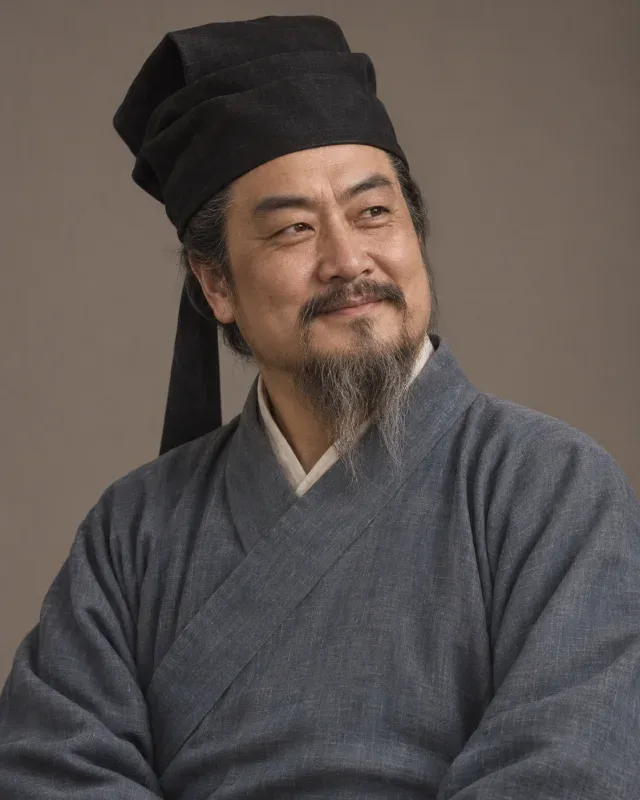
Su Shi
Looking back in Huangzhou
1037–1101 · Meishan, Huangzhou, Huizhou, Danzhou
From Meishan to Danzhou
- Courtesy name
- Zizhan, also Hezhong
- Art name
- Dongpo Jushi
- Life dates
- 1037–1101, Northern Song
- Origins and places
- Meishan, Meizhou. Held office in Hangzhou and was later sent to Huangzhou, Huizhou, and Danzhou.
From Meishan to Huangzhou
Su left Meishan for the capital and passed the highest civil service examination in 1057. He, his father Su Xun, and his younger brother Su Zhe became known collectively as the Three Sus. In 1079, charges brought over his writings led to imprisonment. After his release he was sent to Huangzhou, where he cultivated a plot east of town. Dongpo, “Eastern Slope,” became the name he used for himself.[1]
Public office in Hangzhou, exile farther south
Su served in Hangzhou twice. During the second appointment he oversaw dredging of West Lake. Late in life he was sent first to Huizhou and then to Danzhou on Hainan. Pardoned, he travelled north and died in Changzhou. These places had very different meanings in his life: Hangzhou was a jurisdiction he governed, while Huangzhou, Huizhou, and Danzhou were places where he had to make a life under punishment.[1]
Looking back in Huangzhou
Su Shi, courtesy name Zizhan, came from Meishan. After the Crow Terrace Poetry Case, he was demoted to a post in Huangzhou. Two lyrics from this period look back across very different stretches of time: one across a passing shower, the other across centuries to the Three Kingdoms.
Caught in the rain
The preface to Ding Feng Bo describes the party getting caught in rain and the sky later clearing. Notice when the speaker turns to look back: only after walking on can he see the storm differently. The preface establishes the outing; the lyric leaves any further meaning of the storm open.
Red Cliff and West Lake
Nian Nu Jiao introduces Zhou Yu’s Red Cliff with a phrase meaning “people say,” leaving some distance between the place before the speaker and the story attached to it.[2] The title of Mu Lan Hua says Su used the rhymes of Ouyang Xiu’s West Lake lyric. The dynastic history records Ouyang’s support for Su.[3] Here the relationship is also audible as a later poet answering an earlier voice.
Selected readings
Read together
Read with Xin Qiji
Pair the Red Cliff lyric with Xin’s lyric at Beigu Pavilion. Su turns from Zhou Yu back to himself, while Xin compares the fortunes of several generations from a single overlook.
Sources and editorial notes
- Chronology of Su Shi
The chronology traces the examination, prosecution, cultivation of Dongpo, and later movements.
- Nian Nu Jiao · Red Cliff
The phrase “people say” introduces the local identification of Red Cliff.
- History of the Song · Su Shi
The biography records Su’s Huangzhou appointment and Ouyang’s support.