Figure learning hub
Xin Qiji
From Licheng to Beigu Pavilion
1140–1207 · Licheng, Jiangxi, Zhenjiang
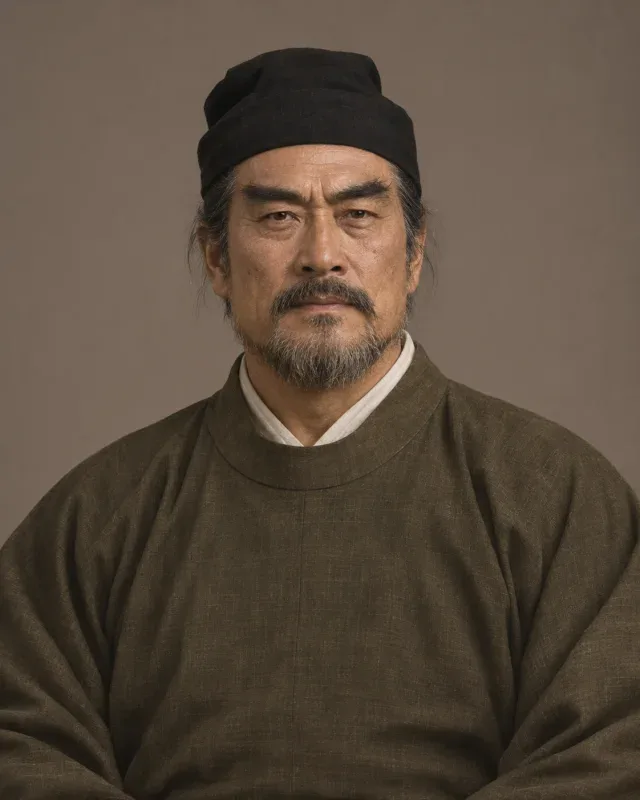
From Licheng to the Southern Song
- Courtesy name
- You’an
- Art name
- Jiaxuan
- Life dates
- 1140–1207, Southern Song
- Origins and places
- Licheng, now part of Jinan. After moving south, served in places including Jiankang, Jiangxi, and Zhenjiang.
After crossing south
Xin entered Song service in 1162. He governed local jurisdictions and submitted proposals to the court, including the Ten Essays on Restoring the North. He later spent years in retirement near Shangrao in Jiangxi before being appointed to Zhenjiang. By the time he wrote about Jingkou in Yong Yu Le, he knew both public office and long periods away from it.[1]
The meeting that fell through
The preface to He Xin Lang records a visit from Chen Liang. They travelled to Ehu and hoped to see Zhu Xi, who did not come. After Chen left eastward, Xin tried to follow, but deep snow and slippery mud stopped him. The preface explains how wind, snow, and an attempted ride entered the lyric; it leaves the details of their conversations open.[2]
From Licheng to Beigu Pavilion
Xin Qiji was born in Licheng under Jin rule. He joined an uprising as a young man, went south to serve the Song, held office in places including Jiangxi, and governed Zhenjiang late in life. At Beigu Pavilion in Yong Yu Le, the place before him brings several generations of ambition and failure into the same lyric.[1]
Why the allusions come in this order
Start with the entrances of Sun Quan and Liu Yu, then watch the turn to the hasty Yuanjia campaign. The force of the earlier achievements sharpens the warning in the later episode. Identifying each allusion is only the first step; their order carries the argument.
A second look at the lantern fair
In Qing Yu An, the lanterns, traffic, and crowds fill the scene before the searcher turns around. Follow that line of sight, then try Pu Sa Man, where the gaze moves from river to mountains and the ending turns to a partridge’s call. The lantern lyric leaves the figure at the end unnamed, allowing more than one reading.[3]
Selected readings
Read together
Read with Su Shi
Read the two lyrics on historical sites together, then return to Xin’s lantern fair. The contrast makes room for both the broad historical view and the way Xin can quiet a crowded scene around a single gesture.
Sources and editorial notes
- History of the Song · Xin Qiji
The biography records his move south and his appointment at Zhenjiang.
- Preface to He Xin Lang
Xin describes Chen Liang’s visit, the trip to Ehu, and the interrupted farewell in his own preface.
- Qing Yu An · Lantern Festival
The lyric gives the figure no name.