Figure learning hub
Sun Tzu
Study Sun Tzu through The Art of War, strategic calculation, restraint, knowing the enemy, and guided original passages with translation.
Sunzi · Sun Wu · 孙子
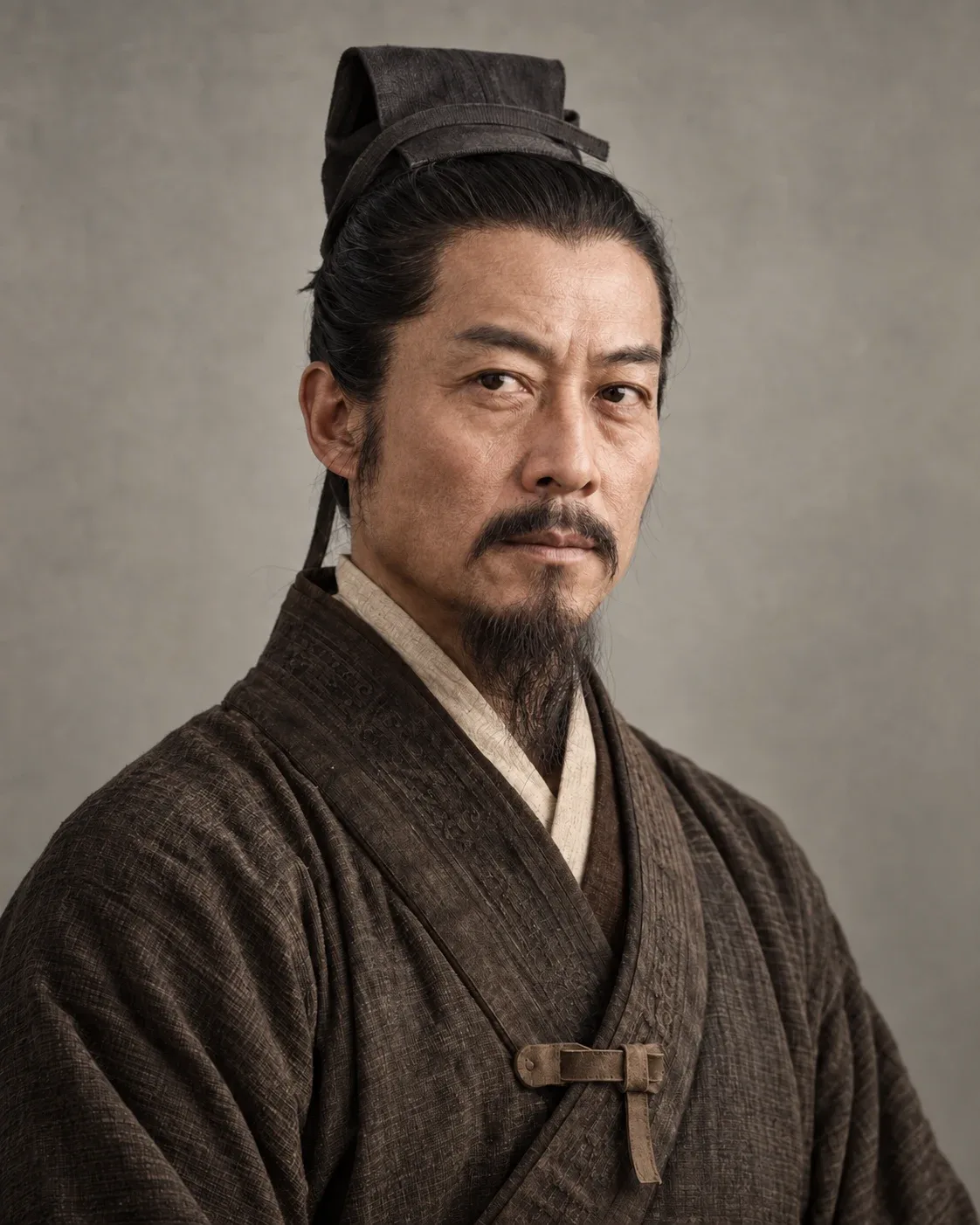
The art of war begins by resisting a careless war
Sun Tzu matters less as a mascot for aggression than as a critic of action taken without calculation. The Art of War opens by calling war a grave affair of survival and ruin. It asks decision-makers to compare conditions, command, terrain, discipline, and cost before they move. Later claims about defeating an opponent without battle follow from this starting point: the most admired success is not the loudest clash but the result that secures an aim while preserving lives and resources.
The text also treats knowledge as provisional work. “Know the enemy and know yourself” is not a declaration of confidence. It requires observation, testing, deception awareness, and repeated correction as both sides respond. Shi, often discussed as strategic configuration or momentum, shifts attention away from the lone heroic commander toward the arrangement of conditions. Sunzi becomes useful when every maxim is restored to its prerequisites and dangerous when a compact sentence is sold as a universal trick.
Read the thirteen chapters as a chain of decisions
A practical route begins with four questions: should conflict be entered, how can its cost be reduced, where can initiative be created, and how must action change with terrain and timing? Read “Laying Plans” before the battle stories, then “Attack by Stratagem,” and then “Weakness and Strength.” For each celebrated line, identify the situation it addresses, the information it assumes, and who bears the price if the judgment is wrong. This turns the book from a cabinet of clever sayings into a disciplined system for decisions under pressure.
The Wu court and the transmitted military text
Records of the Grand Historian places Sun Wu at the late Spring and Autumn court of King Helü of Wu. Its famous account of drilling palace women is a later biographical narrative, not a battlefield report. Neither his exact life dates nor every stage of The Art of War’s formation is settled. Chapters 1 and 3 give readers firmer ground: calculations before war and the cost of victory.
Sun Wu, Sun Bin, and the manuscript discovery that separated two military classics
Tradition associates the Art of War with Sun Wu of the late Spring and Autumn period, although the surviving biographical record is limited and the formation of the text remains debated. For a long time, questions also surrounded the relation between this work and the military writing attributed to the later strategist Sun Bin. In 1972, bamboo manuscripts excavated from Han tombs at Yinqueshan included material from both the Art of War and Sun Bin’s Military Methods, strong evidence that two distinct works circulated.
The discovery does not settle every sentence’s authorship or date. It does show why a figure page must keep biography, received chapter structure, excavated witnesses, and later legend in separate layers. ChineseStudy uses Sun Tzu as an intelligible doorway, then sends readers into chapters where claims can be examined in sequence. The figure is not made more credible by pretending uncertainty has vanished; the reading becomes more credible when the evidence boundary is visible.
Core ideas
Caution before war
War is costly, so judgment begins before action.
Calculation
Strategy compares conditions, resources, timing, and command.
Knowing both sides
Reliable action depends on understanding yourself and the opponent.
Representative passages
Before battle
兵者,国之大事。
The text begins by making war a grave matter, not an adventure.
Read Laying PlansWinning without battle
不战而屈人之兵,善之善者也。
The highest victory lowers cost and destruction.
Read Attack by StratagemKnowing both sides
知彼知己,百战不殆。
Judgment depends on information about both the opponent and oneself.
Read the passageSuggested reading path
- Start with The Art of War
See how the thirteen chapters move from planning to terrain.
- Laying Plans
Begin before battle, with comparison and calculation.
- Attack by Stratagem
Read victory together with cost.
- Weakness and Strength
Study initiative, rhythm, and perception.
Common misunderstandings
Sun Tzu is not simply pro-war
The text begins from the cost of war and values winning with minimum waste.
Strategy is not trickery alone
Calculation includes aims, resources, risk, timing, morale, and information.
Knowing the enemy is not a slogan
It requires repeated observation and correction, not a one-time declaration of confidence.