Figure learning hub
Bai Juyi
Read Bai Juyi through Three Hundred Tang Poems, especially Song of Everlasting Regret and Song of the Pipa, where clear language carries narrative and social feeling.
Bo Juyi · Po Chü-i · 白居易
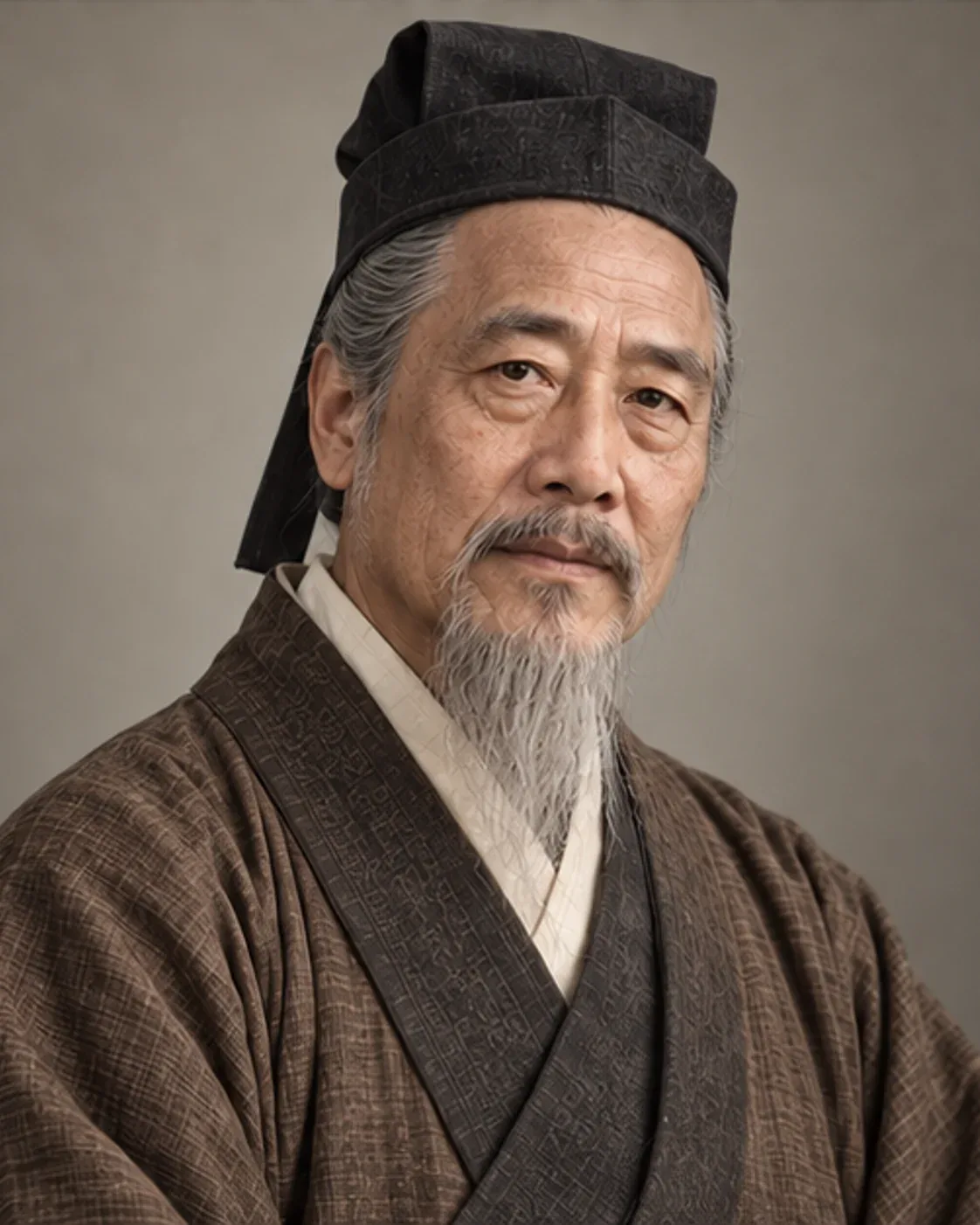
Meet Bai Juyi through clarity with force behind it
Bai Juyi is sometimes described as plain, and the word is correct only if it does not mean shallow. His plainness is a discipline: narrative movement, audible scenes, direct speech, and emotional turns that a broad audience can follow. “Song of Everlasting Regret” works through historical memory and romance without becoming a simple love story. “Song of the Pipa” begins with a night farewell, hears an instrument across the river, and turns that sound into recognition between two displaced people.
The clarity matters because Bai Juyi cared about poetry’s reach. He wanted poems to be understood, remembered, and used in public life. That ambition produces a different kind of difficulty from Li Bai’s visionary leaps or Du Fu’s compressed pressure. Bai Juyi’s difficulty lies in how smoothly a poem carries the reader through a story before revealing the social and emotional cost inside it.
Long poems that move by scene
The Bai Juyi most visible in Three Hundred Tang Poems is the writer of long narrative pieces. Read them as sequences of scenes rather than as summaries of themes. In “Song of the Pipa,” the boat, the river, the hidden player, the description of technique, and the poet’s own confession all arrive in order. The famous fellow-feeling is earned by that order. In “Song of Everlasting Regret,” splendor and sorrow are never fully separable, which is why the poem has remained both popular and uneasy. Bai Juyi’s apparent directness should therefore be read as staging: he makes the path easy to follow so that the turn, when it comes, can reach many readers at once. The plain surface is the delivery system for a carefully timed change in sympathy.
Court, Jiangzhou, and the south
Bai Juyi (772–846) served in the capital, was demoted to Jiangzhou in the Yuanhe era, and later governed Hangzhou and Suzhou. His demotion matters when reading Song of the Pipa Player and its line about shared displacement. Yet the musician’s account is also shaped by poetic narration, not a verifiable personnel file. Poems from his southern postings show an official attentive to local life as well as exile.
Bai Juyi and the public life of poetry
Bai Juyi is closely associated with the New Yuefu movement and with poems that criticize social suffering, administrative failure, and misplaced luxury. Yet the anthology introduces many readers to him through long narrative masterpieces. That is not a contradiction. His interest in intelligibility and public feeling also shapes the narrative poems: clear language allows complex material to travel farther.
ChineseStudy therefore reads Bai Juyi through both style and function. He is not merely easy, and he is not merely moralizing. His best-known poems show how sound, story, memory, and social position can be made available to readers without losing emotional density. The page points first to “Song of the Pipa” and “Song of Everlasting Regret,” where that combination is easiest to see. Both poems ask why a beautifully told story can still leave the reader morally unsettled. That aftertaste is part of his clarity. The plainness keeps working.
Core ideas
Plain force
Clear language carries story and judgment without becoming thin.
Narrative movement
Long poems move scene by scene until recognition arrives.
Public feeling
Private emotion often opens onto social position and shared hardship.
Representative passages
Shared displacement
同是天涯沦落人,相逢何必曾相识。
The poem turns music into recognition between strangers.
Read Song of the PipaSound as narrative
大弦嘈嘈如急雨,小弦切切如私语。
The description of sound moves the story, not just the ear.
Read the pipa passageRegret without closure
天长地久有时尽,此恨绵绵无绝期。
The ending refuses to make desire, memory, and history settle into one judgment.
Read Song of Everlasting RegretSuggested reading path
- Start with Three Hundred Tang Poems
Use the anthology’s long poems as Bai Juyi’s entrance.
- Song of Everlasting Regret
Read narrative, desire, and historical imagination together.
- Song of the Pipa
Enter through sound, status, and shared displacement.
- Du Fu
Compare two forms of poetry facing public reality.
Common misunderstandings
Plain language is not thin language
Clarity can carry narrative, judgment, and emotional complexity without flattening the scene.
Bai Juyi is not only moral instruction
His long poems also depend on sound, pacing, and dramatic recognition.
Popularity does not mean simplicity
The poems travel widely because their structure is strong enough to be remembered.