Figure learning hub
Du Fu
Read Du Fu through Three Hundred Tang Poems, from youthful ambition at Mount Tai to wartime meetings, dreams of Li Bai, and poetry as historical witness.
Tu Fu · 杜甫
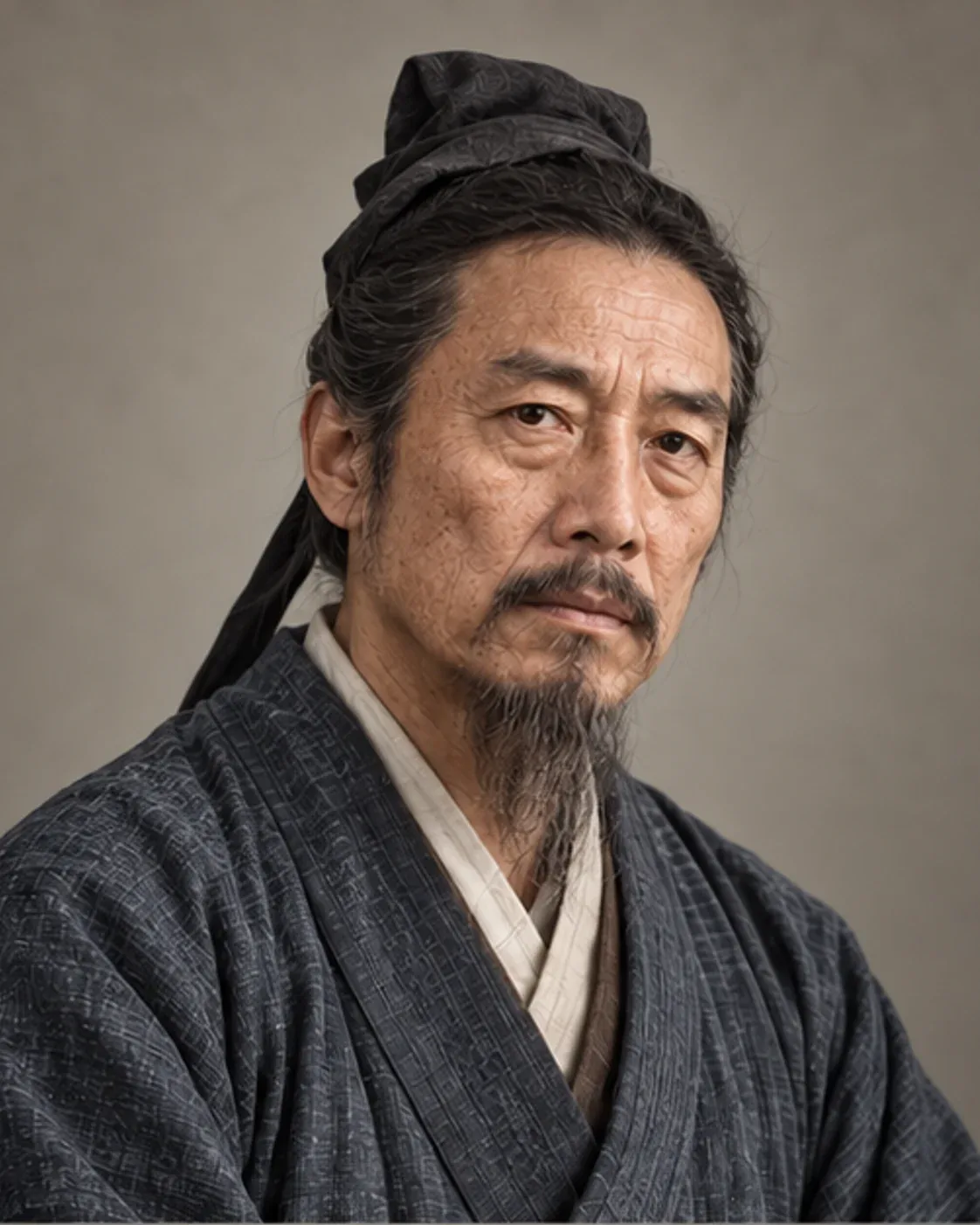
Meet Du Fu through pressure placed on details
Du Fu is called a poet of history, but that phrase can flatten him if it makes the poems sound like documents. His strength lies in the pressure he places on detail. Mount Tai’s green stretches beyond old borders; a friend’s household after years of separation produces food, children, lamplight, and talk; dreams of Li Bai carry admiration and fear at once. Public disaster enters the poem through things that can be touched and counted.
The anthology lets readers meet several stages of Du Fu. “Gazing at Mount Tai” belongs to youthful ambition, where the mountain enlarges the self. “To Wei Ba, Retired Scholar” is a reunion poem after disorder, and its power comes from ordinary hospitality rather than grand statement. The “Dreaming of Li Bai” poems turn friendship into anxiety: fame has not saved the friend, and distance makes care helpless. Du Fu’s moral force is built from such exact scenes.
Serious does not mean monochrome
Du Fu can be tender, ambitious, wounded, humorous, ceremonious, angry, and self-questioning. His density comes from relation: family, office, empire, friends, hunger, illness, reputation, and literary duty all pull on the same line. A plain phrase may carry several of those claims at once. Read slowly enough to let the weight gather. The poem often turns on a small gesture, not on an abstract declaration that history is tragic. That is why a meal, a lamp, or a line about hair can become historical without ceasing to be intimate. The reading task is to keep both scales visible: the empire shaking outside, and the person trying to speak accurately from within one room.
Before and after the rebellion
Du Fu (712–770) travelled as a young man, met Li Bai near Luoyang, and spent years seeking office in Chang’an. The An Lushan rebellion disrupted his life; he later lived in Chengdu, moved down the Yangtze, and died in the Hunan region. The early ambition of Gazing at Mount Tai and the later Three Officials and Three Partings belong to different pressures. When reading To Wei Ba, keep the difficulty of reunion in wartime in view without assigning an unproven exact date.
Du Fu’s place in the anthology
Three Hundred Tang Poems gives Du Fu a large presence because his work shows what Tang poetry could carry after the bright surface of high Tang confidence cracked. He writes regulated verse with extraordinary control, but the anthology also includes old-style poems and long pieces where experience does not fit into one neat frame. He becomes a bridge between personal lyric and public witness.
ChineseStudy connects Du Fu to poems that show different pressures: the upward gaze of “Gazing at Mount Tai,” the domestic detail of “To Wei Ba,” and the troubled friendship of “Dreaming of Li Bai.” These entries keep him from being reduced to a school label. He is not important only because later critics honored him; the poems themselves demonstrate how historical weather enters a cup of wine, a meal, a road, or a dream. They also show why later readers could treat poetry as a record of conscience without turning it into prose.
Core ideas
Historical pressure
Public disorder enters the poem through meals, roads, dreams, and family life.
Moral attention
Du Fu keeps asking what a person owes to friends, office, and country.
Dense detail
Small objects carry more than one emotional and historical weight.
Representative passages
Mount Tai
会当凌绝顶,一览众山小。
The famous ambition grows out of a long act of looking.
Read Gazing at Mount TaiOld friends after disorder
夜雨剪春韭,新炊间黄粱。
Domestic details carry the force of reunion after separation.
Read To Wei BaDreaming of Li Bai
故人入我梦,明我长相忆。
Friendship becomes a dream because the waking world cannot reach him.
Read Dreaming of Li BaiSuggested reading path
- Start with Three Hundred Tang Poems
See the range of Du Fu in the anthology.
- Gazing at Mount Tai
Begin with the young poet’s scale and ambition.
- To Wei Ba, Retired Scholar
Read reunion through ordinary actions after disorder.
- Dreaming of Li Bai, No. 1
See friendship carried by dream and anxiety.
Common misunderstandings
Du Fu is not only gloomy
His seriousness includes tenderness, ambition, friendship, craft, and humor.
“Poet of history” does not mean reporter
Historical force appears through shaped scenes, not raw chronicle.
Difficulty is not decoration
Dense lines carry several obligations at once.