Figure learning hub
Li Qingzhao
Read Li Qingzhao through cold incense, evening rain, and the sound of a Lantern Festival heard from indoors.
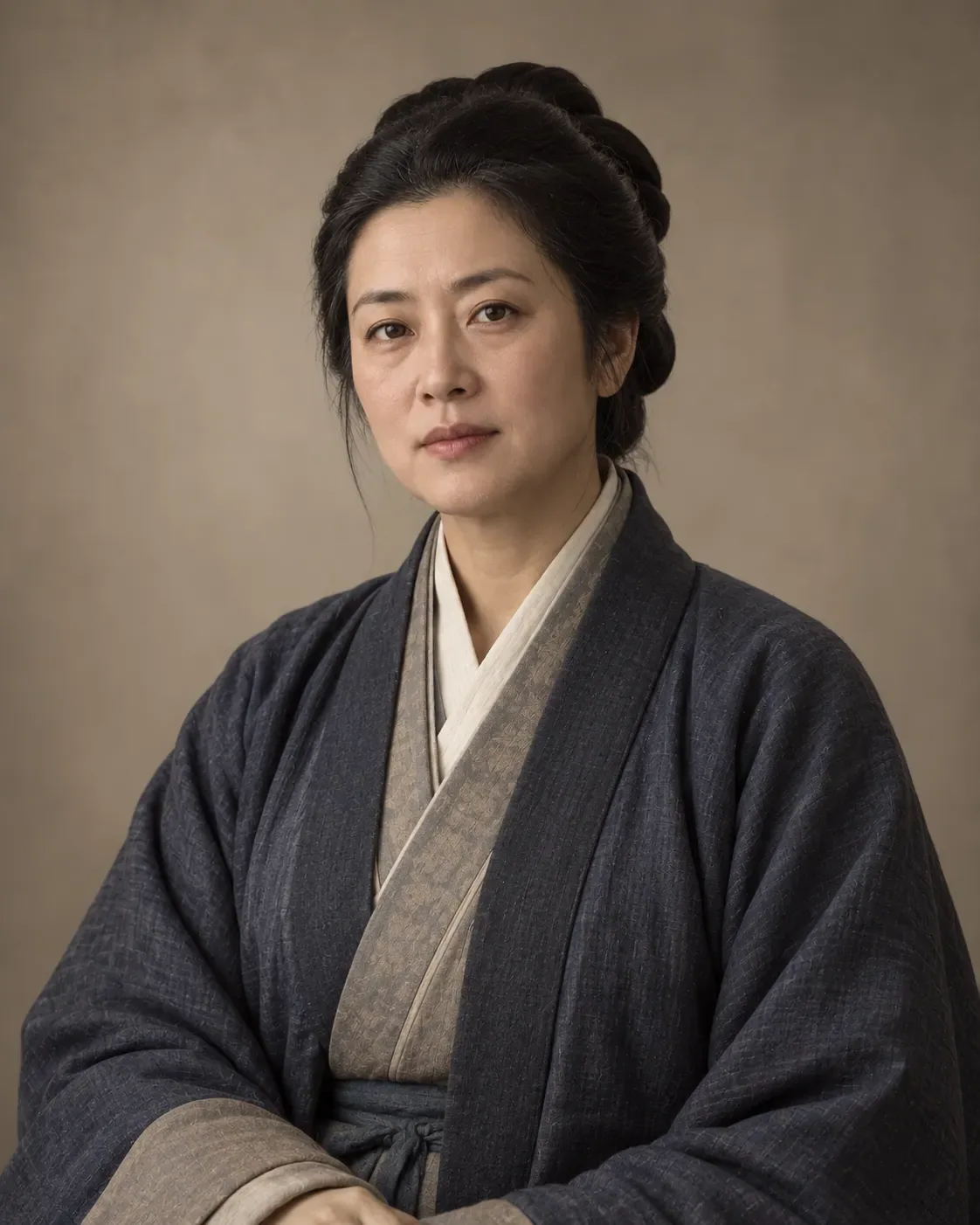
The writer who called herself Yi’an
- Personal name
- Qingzhao
- Art name
- Yi’an Jushi
- Period
- Late Northern Song and early Southern Song
- Places
- Collected inscriptions and collated books with Zhao Mingcheng. Her own account describes how the collection fared during their flight south.[1]
Begin with cold incense
In Remembering the Flute on Phoenix Terrace, the incense has gone cold and the bed is still in disarray. The speaker gets up but has little desire to comb her hair. A departure is near, yet the ordinary steps of getting ready seem almost impossible. Drunk in the Shade of Flowers has an incense burner too. There, incense burns down over a long, cloudy Double Ninth, and by midnight the bedding feels cold. Read the two openings together and the same object tells time in two quite different ways.
Packing for the journey south
Li Qingzhao gives a different account of herself in the Postface to the Records of Metal and Stone. She and Zhao Mingcheng sometimes pawned clothes to buy ink rubbings of inscriptions. At home they checked new books together. After meals they played a game over tea, trying to name the book, page, and line where a passage could be found. In 1127 the collection had to travel south. Li recalls leaving behind bulky editions and uninscribed objects, yet still setting out with fifteen cartloads of books. Volumes left in Qingzhou subsequently went up in flames. Later, after Zhao’s death in 1129, she records further losses, including books abandoned when Hongzhou fell. She tells the story as someone who knew the collection item by item. That voice is worth hearing alongside the lyrics, where a speaker may reveal very little about the circumstances of a loss.[1]
From listening to rain to hearing other people laugh
Slow, Slow Song begins with repeated words, long before the evening rain reaches the paulownia leaves. By the end, the speaker can hardly bear the sound of drops. In Everlasting Joy she turns down an invitation and listens to other people laughing outside the curtain. The Lantern Festival is still there, yet it brings to mind past celebrations in the central plains. Liu Chenweng later wrote to the same tune. His preface says that Li’s words moved him to tears. The two poems remember different worlds from opposite ends of the Southern Song.[2]
What the answer about the crabapple misses
After the five anthology selections, try the two shorter lyrics on the reading list. In Like a Dream, someone says the crabapple is just as it was. The speaker, remembering the wind and rain overnight, imagines the green leaves thriving and the red blossoms thinning. The poem gives that difference of attention only a few words. Washing Silk also starts small, with a person who puts off combing her hair, then lets the scene widen. Both lyrics reward a second reading at the pace of an ordinary conversation.
Selected readings
Read together
Read with Liu Yong
Compare the autumn departure in Yu Lin Ling with the turns of season and time in Li’s lyrics.
Read with Zhou Bangyan
In Rui Long Yin, notice how a remembered city comes into view. Then return to the time shift in Li’s Lantern Festival lyric.
Sources and editorial notes
- Li Qingzhao’s Postface to the Records of Metal and Stone
Li’s own account describes their collecting, collation, and losses during the journey south.
- Liu Chenweng’s preface to Everlasting Joy
The preface explains how Liu responded to Li’s poem by composing to the same tune pattern.