Figure learning hub
Li Bai
Read Li Bai through Three Hundred Tang Poems, from mountain visits and drinking alone to dream journeys, exile, friendship, and the scale of Tang poetic imagination.
Li Po · Li Taibai · 李白
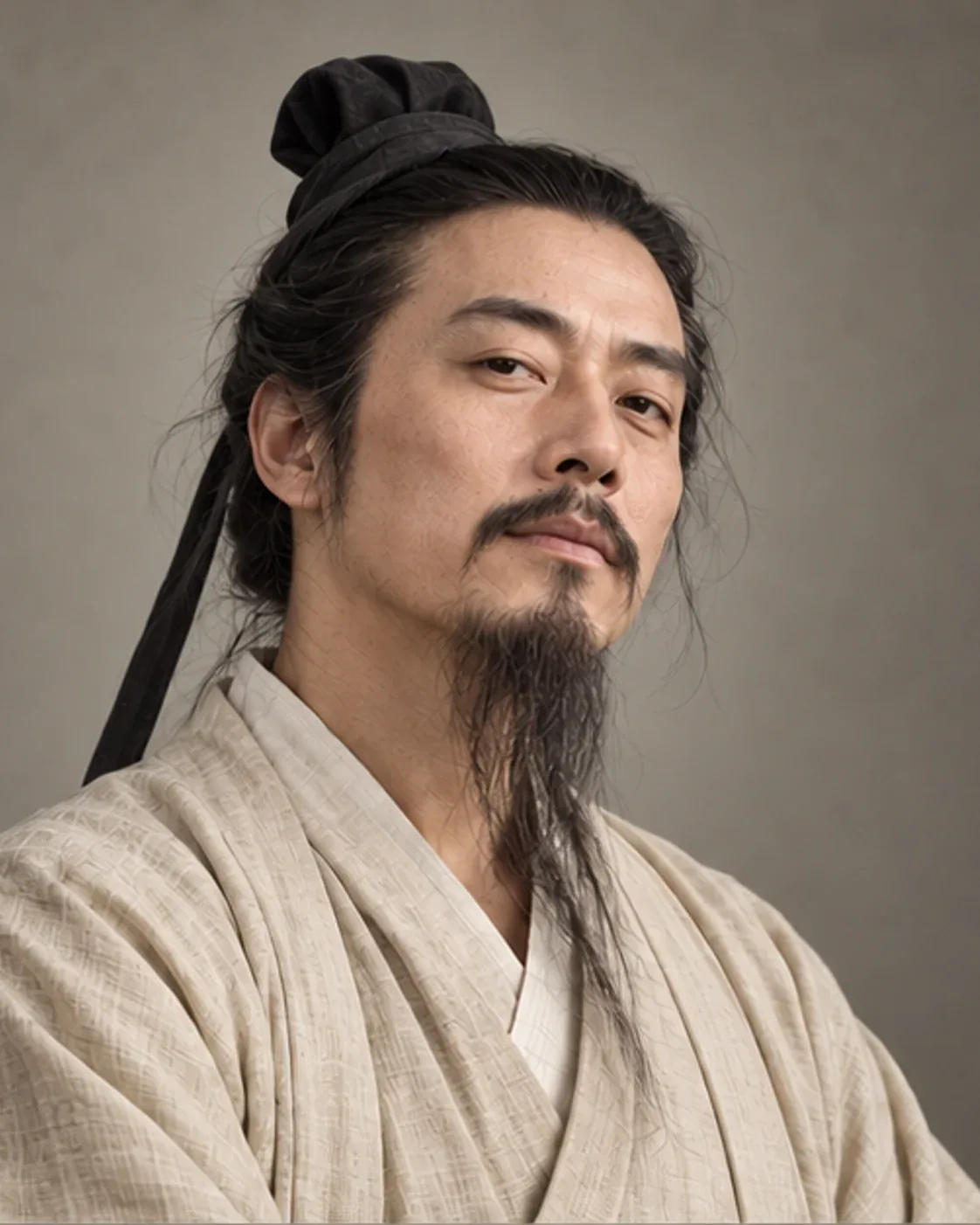
Meet Li Bai through motion and enlargement
Li Bai is often remembered through two convenient labels: wine and freedom. Both matter, but they become more useful when they are returned to the movement inside the poems. A cup is lifted, and the moon enters; a mountain path bends, and a host appears; a farewell turns into a dream journey through peaks, caves, thunder, immortals, and sudden refusal. His imagination does not simply erase the world. It gives the self another scale when the ordinary world has become too narrow.
The poems in Three Hundred Tang Poems show several Li Bais rather than one decorative legend. “Down Zhongnan Mountain” is slow and sociable. “Drinking Alone under the Moon” invents company and then quietly exposes its fiction. “Spring Longing” uses a woman’s voice and two different springs to write distance. “Dreaming of Tianmu Mountain” opens a vast dream only to return with a sentence about not bending before power. The energy lies in those changes of altitude.
Read the myth after reading the turns
The popular Li Bai floats above history, drunk and effortless. The textual Li Bai is more interesting: he changes direction quickly, makes companions out of moonlight, crosses from courtly hope to exile, and lets disappointment flash rather than explain itself. When reading him, follow verbs before adjectives. Who lifts, walks, turns back, sings, dreams, leaves? The poem’s freedom usually arrives through a sequence of actions, not through a general mood. Even the most spectacular lines should be tied back to the pressure point that made the leap necessary.
From Shu toward Yelang—and a pardon
Li Bai (701–762) grew up in Shu, travelled widely after leaving it, served briefly at the Tang court in Chang’an, and then departed. After the An Lushan rebellion, his involvement with Prince Yong led to exile toward Yelang; he was pardoned on the way. “Exiled to Yelang” must not be turned into “lived in Yelang.” Dreaming of Tianmu Mountain belongs to the period after court service, but its dream journey is literary construction, not an itinerary.
How Li Bai enters the anthology
Three Hundred Tang Poems includes short lyrics, old-style poems, and long song-poems by Li Bai. That selection matters. It prevents him from becoming only the author of famous lines. In one poem he can write a small domestic longing; in another he can stretch the scene until rivers, clouds, mountains, and immortals crowd the page. The anthology preserves both the light touch and the huge theatrical scale.
ChineseStudy links Li Bai to concrete poems instead of beginning with the title “Poet Immortal.” Read “Drinking Alone under the Moon” to see how he constructs and dismantles companionship; read “Dreaming of Tianmu Mountain” to see how dream vision serves a farewell; return to the smaller poems to notice how much restraint he can use. The legend becomes more persuasive only after the craft has been seen.
Core ideas
Imaginative scale
Li Bai enlarges ordinary scenes through moon, mountains, rivers, and dream journeys.
Movement
His poems often turn through actions: lifting a cup, walking a road, looking back, leaving.
Freedom with disappointment
The soaring tone frequently answers constraint, exile, or frustrated ambition.
Representative passages
Drinking alone
举杯邀明月,对影成三人。
Li Bai creates company from moon and shadow, then lets the fiction show.
Read Drinking Alone under the MoonA mountain visit
暮从碧山下,山月随人归。
The road home slows the poem and lets friendship appear without announcement.
Read Down Zhongnan MountainRefusal after dream
安能摧眉折腰事权贵,使我不得开心颜。
The dream’s height prepares the refusal to bend before power.
Read Dreaming of Tianmu MountainSuggested reading path
- Start with Three Hundred Tang Poems
Use the anthology as a map of several Li Bai modes.
- Down Zhongnan Mountain
Read the road, the host, and the unhurried evening.
- Drinking Alone under the Moon
Watch solitude become a temporary company of three.
- Dreaming of Tianmu Mountain
Enter his fullest dream-journey and farewell.
Common misunderstandings
Li Bai is not only drunken spontaneity
The poems are often carefully structured through turns of scene, speaker, and scale.
Imagination is not escape alone
Dream and myth frequently answer political frustration, travel, exile, or farewell.
The label “Poet Immortal” is not a reading method
Start from the poem’s actions before returning to the legend.