Figure learning hub
Wang Wei
Read Wang Wei through Three Hundred Tang Poems, where landscapes, farewells, and rural scenes become exercises in attention rather than decorative background.
Wang Mojie · 王维
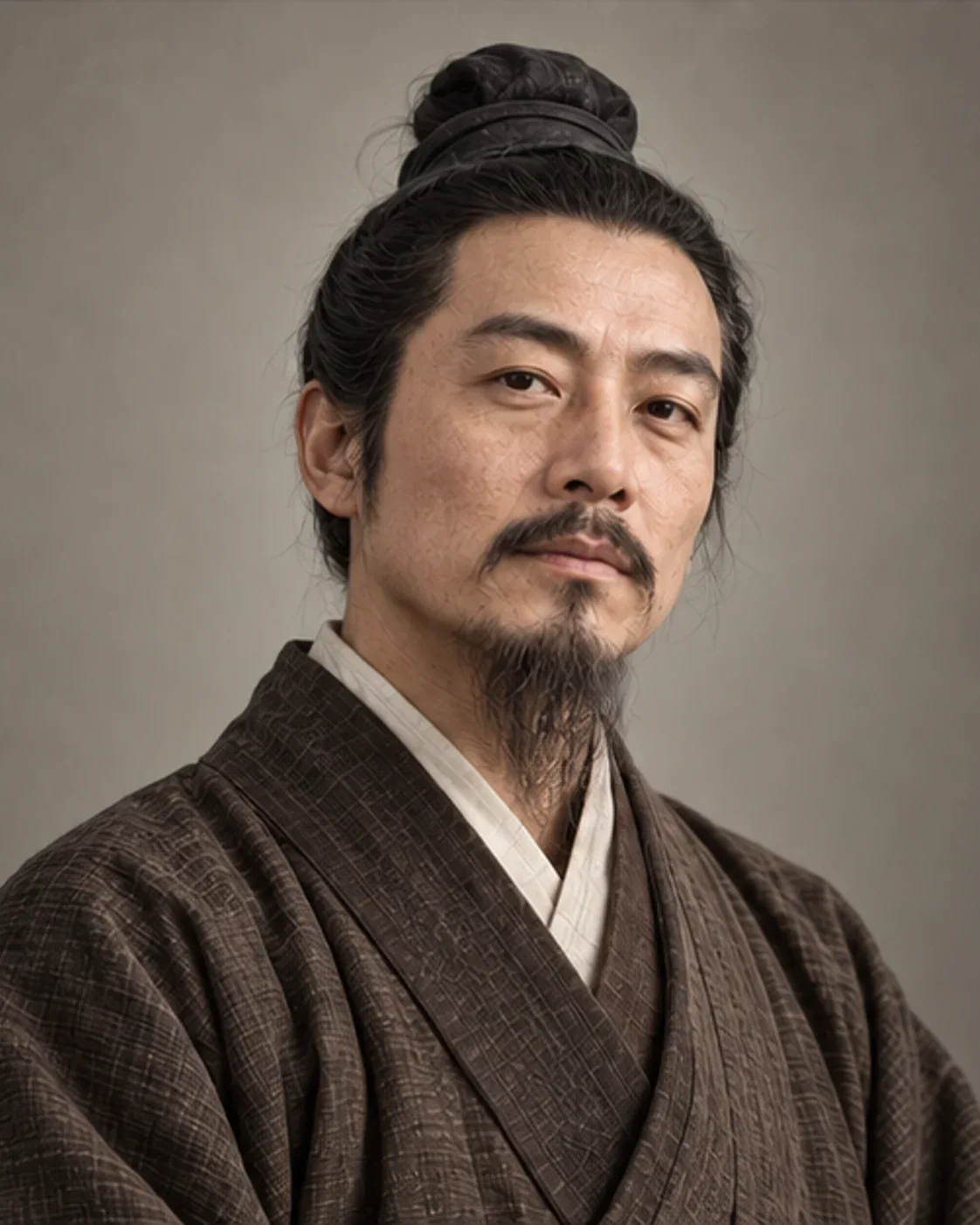
Meet Wang Wei through attention, not decoration
Wang Wei is often introduced through the phrase “there is painting in his poetry.” The phrase is useful only if painting means arrangement, distance, light, silence, and what the frame leaves unsaid. His landscapes are not decorative backgrounds. A stream turns, an evening village gathers smoke, a farewell postpones its real question until the end. The emotion is not absent; it is placed where the reader must notice it.
The anthology’s Wang Wei includes farewell, water, rural return, and historical reflection. “Green Stream” lets the movement of water guide attention. “Farmhouses by the Wei River” watches people and animals return at dusk. “Farewell” seems restrained until its final question about whether the friend will return when spring grass grows green again. His quietness is therefore active. It organizes feeling without announcing it.
Landscape, Buddhism, and social life remain connected
Wang Wei’s later reputation is strongly linked with Buddhist practice and mountain retreat, but the poems should not be turned into empty stillness. He served in government, wrote for friends, watched departures, and used landscape to hold human situations at a slight distance. That distance is part of the form. It allows feeling to stay present without becoming noisy. Read him by asking what has been omitted and why the omission remains audible.
His best short poems often make the reader cross a threshold: from road to stream, from conversation to silence, from visible village to remembered parting. Nothing forces an interpretation, yet the poem has not withdrawn from feeling. The restraint is a way of trusting scene and sequence. A reader who waits through the quiet details usually finds that the emotional turn has been prepared before it is named. This is why a Wang Wei poem can look almost bare at first glance and then become difficult to paraphrase without losing its quiet pressure.
Chang’an, Wangchuan, and the rebellion
Wang Wei (whose exact birth and death years are disputed) was not simply a lifelong recluse. He held office in Chang’an and maintained a Wangchuan retreat. When rebels took the capital, he was forced into service under their regime; after the rebellion he faced investigation and received a reduced penalty. The quiet of Deer Enclosure or My Retreat at Zhongnan belongs beside office, war, and Buddhist practice—not in place of them.
Wang Wei as an entry into Tang landscape poetry
Three Hundred Tang Poems uses Wang Wei to show how landscape poetry can meet farewell poetry, retreat, office, and memory. He is not simply an escapist recluse. His poems often stand between public life and withdrawal, between seeing and speaking, between an event and the silence after it. That in-between quality is why the brief poems continue to feel spacious.
ChineseStudy links Wang Wei to “Green Stream,” “Farmhouses by the Wei River,” and “Farewell” so that readers can begin with concrete scenes rather than a general label. Follow the stream before naming tranquility; watch the village before naming pastoral life; reach the final question before naming longing. The method protects Wang Wei’s restraint from becoming vagueness. It also helps readers notice how a quiet line can still depend on precise social occasion, speaker, and addressee. The silence is situated, not blank. Its calm has edges.
Core ideas
Quiet attention
Feeling appears through placement, pause, and what is left unsaid.
Landscape as relation
Mountains and streams hold human distance, farewell, and return.
Restraint
The poem often delays direct emotion until a final question or image.
Representative passages
Farewell delayed
春草明年绿,王孙归不归。
The question comes late, so the feeling lasts longer.
Read FarewellFollowing water
言入黄花川,每逐青溪水。
The stream guides attention rather than merely decorating the scene.
Read Green StreamEvening return
斜阳照墟落,穷巷牛羊归。
The village becomes visible through returning movement at dusk.
Read Farmhouses by the Wei RiverSuggested reading path
- Start with Three Hundred Tang Poems
Place Wang Wei inside the anthology’s landscape and farewell poems.
- Farewell
Read the restraint that appears only at the end.
- Green Stream
Follow how turns in water become turns in attention.
- Farmhouses by the Wei River
Begin from an evening return in the countryside.
Common misunderstandings
Quiet does not mean empty
Restraint lets emotion remain active without being announced.
Landscape is not mere background
Mountains, streams, and villages hold social and emotional distance.
Buddhist reputation should not erase worldly scenes
Farewell, office, friendship, and rural life remain part of the poems.