Figure learning hub
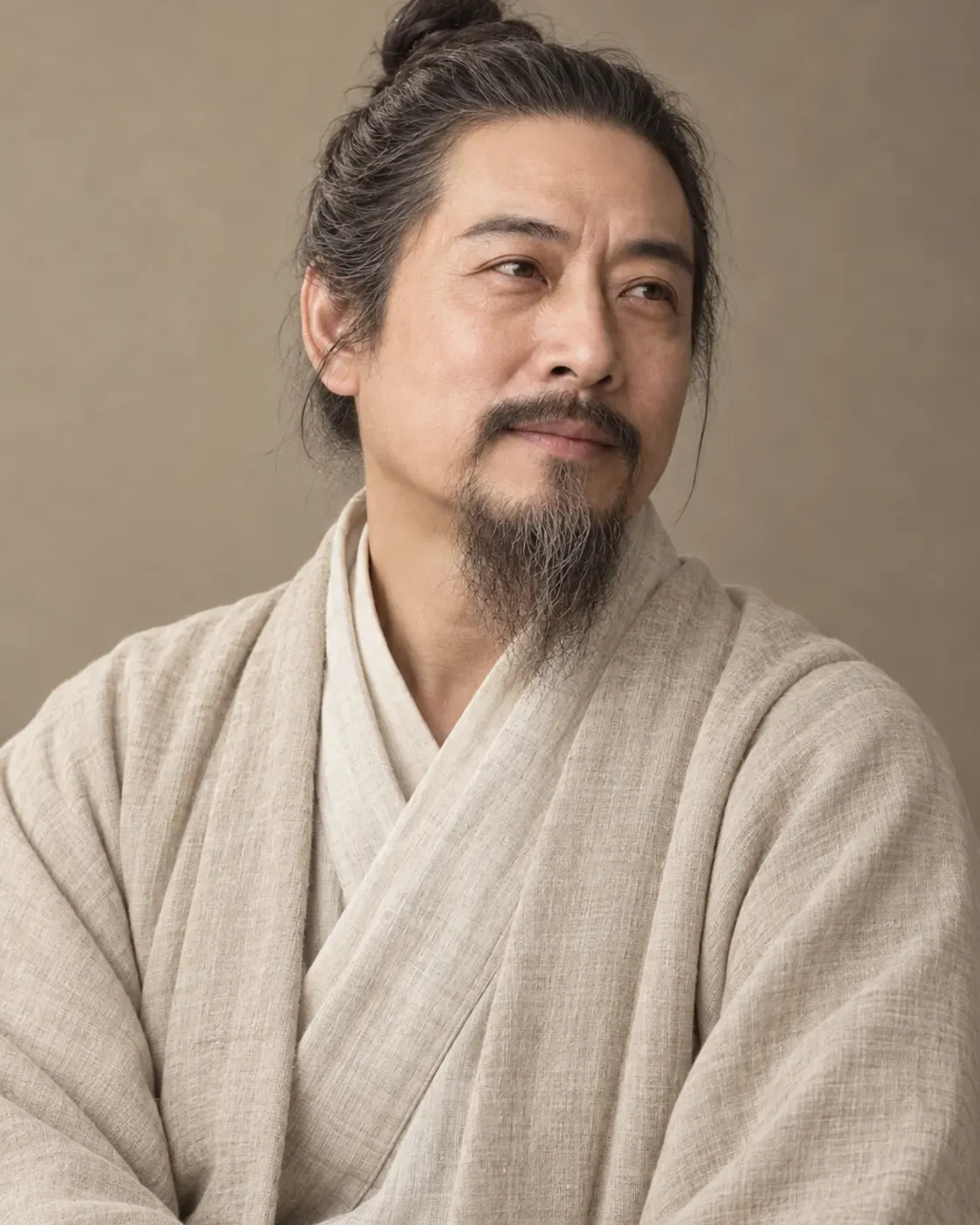
Meng Haoran
Read Meng Haoran beyond the recluse label, from Visiting an Old Friend to the Dongting Lake poem.
孟浩然 · Meng Xiangyang
A countryside with people in it
Visiting an Old Friend begins with an invitation and ends with a promise to come again at the Double Ninth Festival. The landscape is not an empty retreat from human life. Its fields and hills frame a meal, conversation, and a friendship that may continue. The plain voice is carefully made; an apparently effortless poem still has a sequence and a turning point.
Meng Haoran was a High Tang poet from Xiangyang. The New Book of Tang records time spent near Mount Lumen, a journey to the capital, and regard from figures including Zhang Jiuling and Wang Wei. His life cannot be reduced to a permanent choice against office. Some poems speak directly from the tension between withdrawal and the hope of being recognized.
The lake is also an appeal
In the poem addressed to Chancellor Zhang at Dongting Lake, the broad water and Yueyang city lead toward the line about wishing to cross without a boat. That image carries a request for assistance without stating it as a blunt petition. Set it beside Returning to South Mountain at Year’s End, where disappointment and retirement sound in another key. The two poems make a better pair than either does alone.
Spring Dawn begins with waking and hearing birds; the night’s wind and rain are inferred afterward. Mooring on the Jiande River places an open plain, low trees, clear water, and a nearby moon around a traveler. These concise poems are fine entrances, but their gentleness should not make us forget the social and career pressures heard elsewhere.
Xiangyang retreat and a bid for office
Meng Haoran (c. 689–740) was based in Xiangyang. Old Book of Tang records his Lumen retreat, an unsuccessful examination trip to the capital around age forty, and later service under Zhang Jiuling. The “no boat to cross” image in the Dongting poem also speaks to a wish for patronage. Visiting an Old Friend shows another side: countryside life with hosts and return visits. “Recluse” does not mean someone untouched by public ambition.
Use biography as context, not as a single key
The New Book of Tang gives a biographical frame, while the anthology gathers poems with different occasions. An appeal to a chancellor, a visit to a friend, and a night on a river are not interchangeable scenes. Read their speakers and addressees before turning them into one generic portrait of a hermit.
Core ideas
Plain speech and form
Visiting an Old Friend makes welcome and return its quiet structure.
Landscape as appeal
The Dongting Lake poem lets geography carry a request for recommendation.
A traveler’s space
Mooring on the Jiande River sets emotion within a few sharply placed objects.
Representative passages
Visiting an Old Friend
故人具鸡黍,邀我至田家。
Start with hospitality, not with landscape alone.
Read Visiting an Old FriendAt Dongting Lake
欲济无舟楫,端居耻圣明。
Read the crossing as both image and appeal.
Read At Dongting LakeSpring Dawn
春眠不觉晓,处处闻啼鸟。
Notice that sound opens the scene.
Read Spring DawnSuggested reading path
- Begin with Spring Dawn
Listen before picturing the scene.
- Then visit the old friend
Follow invitation and return.
- Finally read Dongting Lake
See landscape and ambition together.
Common misunderstandings
Retreat was not his only concern
Biographical accounts and poems of appeal also show interest in office.
The countryside is not unpeopled
Visiting an Old Friend is structured by hospitality and reunion.